
Mushroom Farming
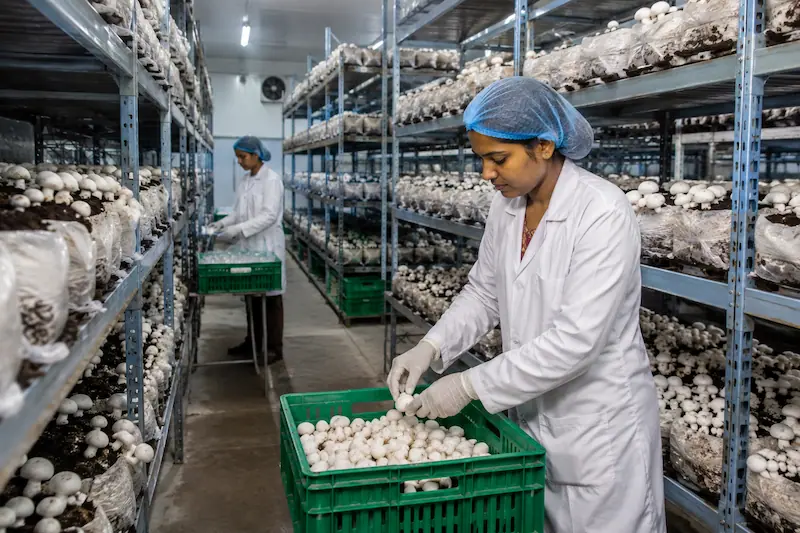
Start a commercial oyster mushroom farm using controlled indoor rooms, low-cost agricultural residues and staggered production for regular weekly harvesting. The strongest model combines local retail sales with repeat B2B supply to restaurants, hotels, retailers and institutional buyers.
1. Market Demand & Business Viability
2. Itemized Startup Cost Breakdown
Every line item is audited against verified vendor quotes and realistic fit-out averages.
| Cost Head & Item | Min (₹) | Typical (₹) | Max (₹) | Allocation Notes |
|---|---|---|---|---|
| Machinery & Equipment | ||||
|
Controlled Oyster Mushroom Grow-Room Build-Out
|
₹90,000 | ₹1,40,000 | ₹2,10,000 | 1.00 setup • Insulated or washable grow-room partitions, doors and basic environmental-control provisions sized for staggered commercial production. |
|
Multi-Tier GI Growing Racks
|
₹60,000 | ₹90,000 | ₹1,30,000 | 1.00 lot • Corrosion-resistant multi-tier racks for approximately 2,000 to 2,500 active cultivation bags depending on room height and layout. |
|
Substrate Pasteurization and Steam Unit
|
₹35,000 | ₹60,000 | ₹95,000 | 1.00 unit • Steam or hot-water based substrate treatment system suitable for controlled oyster mushroom bag preparation; capacity should match daily bag production. |
|
Humidity, Fresh-Air and Ventilation System
|
₹30,000 | ₹50,000 | ₹80,000 | 1.00 system • Ultrasonic or high-pressure fogging/humidification, exhaust and circulation fans, ducting where required, and environmental monitoring. |
|
Substrate Chopper / Straw Cutter
|
₹3,000 | ₹8,000 | ₹18,000 | 1.00 unit • Cuts agricultural straw into suitable substrate lengths and reduces manual preparation time. |
| Premises & Advance Deposit | ||||
|
Premises Advance Security Deposit & Agreement
|
₹45,000 | ₹60,000 | ₹90,000 | 1.00 deposit • Planning allowance for approximately three months commercial premises deposit; actual amount depends on city and landlord. |
| Interior Setup & Furnishing | ||||
|
Electrical, Plumbing, Water Storage and Backup Setup
|
₹45,000 | ₹65,000 | ₹95,000 | 1.00 setup • Dedicated electrical circuits, MCB/RCCB protection, wiring, water lines, storage tank and basic backup provision for environmental-control equipment. |
| Licensing & Registrations | ||||
|
Statutory Registrations, Food Compliance and Local Permissions
|
₹10,000 | ₹20,000 | ₹40,000 | 1.00 package • Budget allowance for Udyam, applicable FSSAI registration or licence, local trade permissions and other applicable local compliances. Fees vary by activity and jurisdiction. |
| Initial Raw Materials & Inventory | ||||
|
Initial Spawn, Substrate, Bags, Packaging and Sanitation Stock
|
₹60,000 | ₹90,000 | ₹1,30,000 | 1.00 batch • Opening working inventory for spawn, dry straw or other selected substrate, growing bags, crates, retail packaging and sanitation consumables. |
| Total Setup Investment | ₹3,78,000 | ₹5,83,000 | ₹8,88,000 | |
3. Plant Machinery & Equipment Catalog
| Machine / Tool Asset | Required Qty | Estimated Unit Price | Commercial Specs & Power |
|---|---|---|---|
| Commercial Mushroom Humidification and Ventilation System | 1 system | ₹50,000 | Fruiting-room humidity and fresh-air management |
| Food-Grade Impulse Bag Sealer | 1 unit | ₹5,000 | Fresh mushroom retail and dispatch packaging |
| Multi-Tier GI Mushroom Growing Rack | 1 lot | ₹90,000 | Primary vertical cultivation infrastructure for commercial staggered bag production |
| Straw Chaff Cutter and Substrate Chopper | 1 unit | ₹8,000 | Substrate preparation tool |
| Substrate Pasteurization Steam Unit | 1 unit | ₹60,000 | Substrate preparation and pasteurization equipment |
4. Space, Power & Utilities
Minimum required footprint for machinery layout, raw material inventory storage, and dispatch.
Commercial power load with dedicated sub-meter and industrial earthing connection.
Adequate municipal utility inlet and local commercial/industrial zoning compliance.
5. Monthly Operating Expenses (OPEX)
Recurring operational commitments required every month to sustain full production.
| Expense Category & Head | Min / Mo | Typical / Mo | Max / Mo | Operational Notes |
|---|---|---|---|---|
| Commercial Grow-Shed Monthly Rent Commercial Rent | ₹14,000 | ₹18,000 | ₹26,000 | Indicative rental budget for approximately 600 to 1,100 sq ft depending on location and building condition. |
| Electricity, Humidification and Ventilation Staff Salaries & Wages | ₹10,000 | ₹14,000 | ₹22,000 | Fans, fogging/humidification, lighting, water pumping and other connected loads; actual cost varies with climate and power tariff. |
| Farm Operator and Helper Wages Electricity & Commercial Utilities | ₹18,000 | ₹23,000 | ₹32,000 | Owner-managed unit plus one or two helpers depending on production and packaging workload. |
| Local Delivery and Distribution Monthly Raw Materials | ₹4,000 | ₹6,000 | ₹10,000 | Short-route delivery to restaurants, hotels, retailers and household customers. |
| Maintenance, Sanitation and Consumables Packaging Materials | ₹2,500 | ₹4,000 | ₹7,000 | Cleaning chemicals, replacement seals, small repairs, environmental monitoring consumables and hygiene supplies. |
| Local Sales and Customer Acquisition Packaging Materials | ₹2,500 | ₹5,000 | ₹9,000 | Samples, packaging labels, WhatsApp promotion, local retailer visits and restaurant lead generation. |
| Total Monthly Overheads | ₹51,000 | ₹70,000 | ₹1,06,000 |
6. Revenue Model, Profit Margin & Break-Even
Fixed monthly overheads (₹70,000) are 100% covered at 665 kg fresh oyster mushroom/month. Estimated capital payback timeline: 8.7 months.
7. Licences, Registrations & Compliance
Udyam MSME Registration
Free online government registration. Required to access bank priority lending, PMEGP subsidies, and delayed payment dispute resolution.
GST Registration
Mandatory if annual turnover exceeds ₹40 Lakhs (goods) or ₹20 Lakhs (services). Enables input tax credit on commercial machinery purchases.
Shop & Commercial Establishment Licence
Issued by local municipal corporation / panchayat authority for commercial premises operation and labor compliance.
Commercial Bank Current Account
Dedicated current account under business legal entity name along with trade PAN and UPI merchant QR.
8. Operational Skills Required
Spawn quality control, substrate preparation and pasteurization, bag filling and spawning, humidity and temperature management, fresh-air ventilation, contamination control, harvesting, grading, cold-chain handling, basic costing and B2B sales.
9. Customer Acquisition Strategy
Build a recurring restaurant and hotel route, offer fixed weekly supply quantities, approach premium vegetable retailers, create WhatsApp ordering for households, sell mixed-size packs, provide samples to chefs, partner with local distributors, and convert repeat buyers into standing weekly orders. Value-added dried mushroom products can be added later after fresh-product operations are stable.
10. Interactive Profit & Expense Simulator
Adjust customer ticket sizes, daily footfall, and fixed overheads to see real-time net returns.
Adjust Financial Assumptions
Slide or type direct valuesSimulation Output
Mathematical Precision11. Founder Profile Suitability
Highly Recommended If:
Best suited to entrepreneurs who can maintain strict hygiene, monitor temperature and humidity daily, source reliable spawn, manage staggered production and build recurring local B2B customers. It is especially suitable for entrepreneurs near restaurants, hotels, premium grocery stores, urban households and vegetable distributors.
Not Ideal If:
Avoid starting at commercial scale if you have no reliable source of quality spawn, cannot maintain daily hygiene and environmental controls, have no nearby market for fresh produce, or are expecting guaranteed high margins without direct customer relationships.
12. Operational Risks & Mitigation Strategy
Major risks are contamination, poor spawn quality, excessive humidity without ventilation, overheating in summer, inconsistent substrate moisture, short fresh-product shelf life and unsold harvest. Reduce these risks through batch quarantine, sanitation SOPs, reliable spawn suppliers, environmental logs, forced ventilation, fast dispatch, pre-booked B2B orders and a fallback channel for lower-grade mushrooms. Electricity backup is recommended where cooling or humidification equipment is used.
13. Step-by-Step 90-Day Launch Plan
Feasibility & Premises Lease
Finalize commercial space lease agreement, verify power load capacity, and apply for Udyam MSME certification.
Machinery Procurement & Fit-Out
Order plant machinery, complete electrical/plumbing fit-out, and setup commercial bank current account.
Trial Runs, Hiring & Licences
Install and calibrate equipment, conduct staff SOP training, and secure local municipal trade licenses.
Soft Launch & Marketing Kickoff
Initiate neighborhood promotional campaigns, setup Google Business listing, and commence commercial operations.
14. Similar Business Opportunities
Explore audited business blueprints in related sectors & investment ranges.
Makhana Processing Business
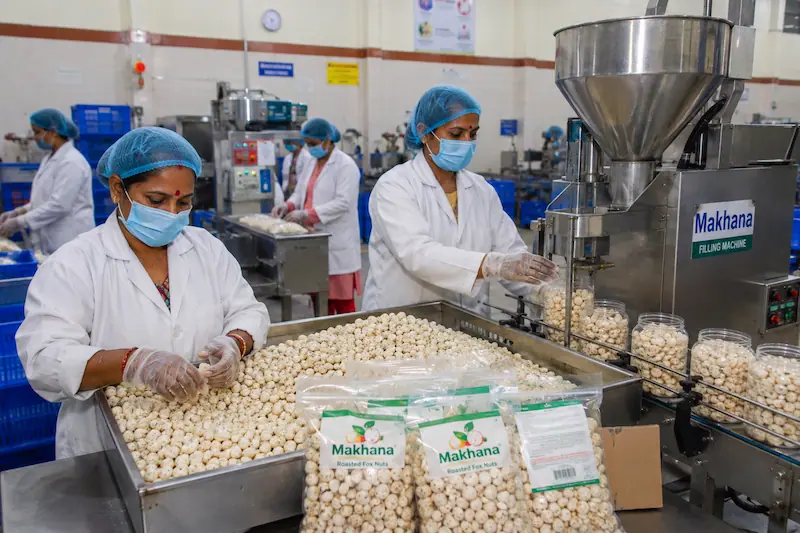
Start a makhana business at the scale that fits your capital, from a low-cost home-based roasted and packed model to a commercial processing unit with grading, roasting, flavouring and automated packing.
Mini Rice Mill Business
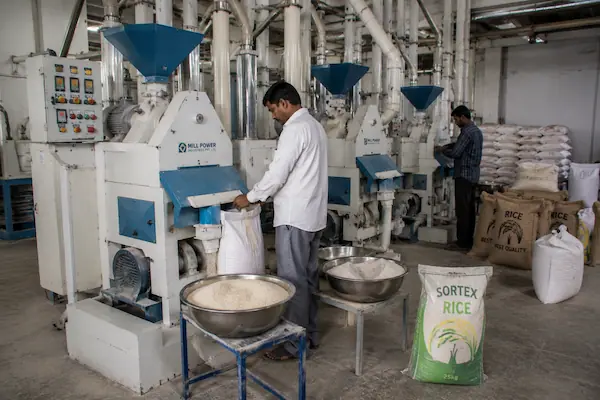
Start a mini rice mill for custom paddy milling or build a small commercial rice-processing operation with hulling, polishing, grading and packing as production volume grows.
Poultry Farming Business
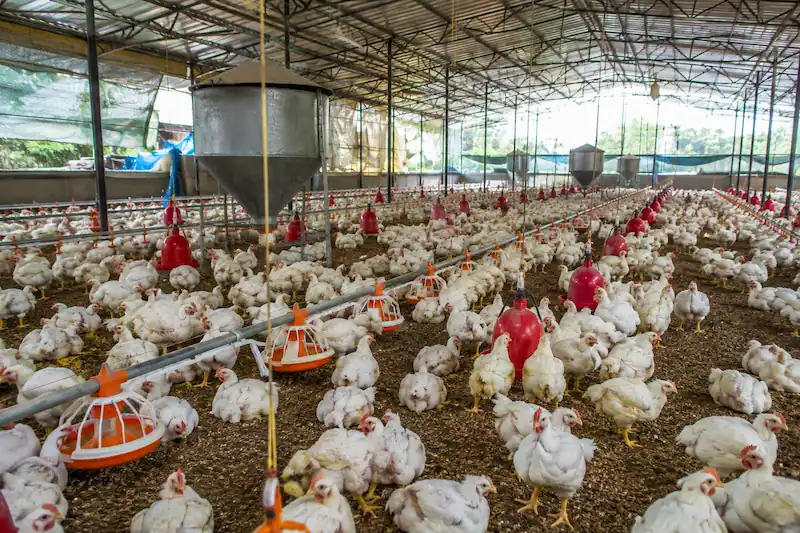
Start a poultry farm at the scale that matches your land and capital, from a small broiler unit using an existing shed to a commercial broiler or layer farm with dedicated housing, equipment, biosecurity and working capital.
15. Data Verification & Methodology
This business profile was audited on 27 Aug 2026 with a data confidence score of 93%.
Equipment pricing and operational assumptions are cross-referenced with Indian industrial machinery suppliers, commercial lease indices, and official Ministry guidelines.
16. Frequently Asked Questions
Udyam registration is useful for formal MSME identification and is free through the official government portal. For selling mushrooms as food, the applicable FSSAI registration or licence should be checked through FoSCoS based on the activity, turnover and premises. Local trade, land-use, municipal and other permissions can apply depending on the location. A Pollution Control Board consent or factory licence should not be treated as automatically mandatory for every mushroom farm; applicability depends on the state, process, workforce and premises configuration. GST also depends on the nature of supply and the applicable threshold and exemptions.
A practical starter commercial unit using rented premises and indoor multi-tier production can usually be planned around ₹4.0 lakh to ₹8.5 lakh excluding land purchase. The major capital items are growing-room preparation, GI racks, substrate treatment, humidification and ventilation, utilities, initial inventory and basic packaging equipment. Costs rise significantly when full climate-controlled insulated rooms, cooling systems, generator backup or automated handling are added.
A mature staggered-production unit can be modelled around 50 kg/day average output for 26 working days, or about 1,300 kg/month. At an assumed blended realization of ₹170/kg, this is about ₹2.21 lakh monthly gross sales. Actual output depends on spawn quality, substrate formulation, environmental conditions, bag loading, biological efficiency, crop losses and the number of active bags. The ₹170/kg assumption should be replaced by the entrepreneur's local wholesale and direct-retail quotations before financing.
The business can be profitable, but blanket claims of 40% or more net margin are unreliable. Indian oyster-mushroom evidence shows production economics vary substantially by farm size, yield, market price and labour structure. Profit improves when contamination is low, production is staggered, direct buyers are secured and unsold harvest is minimized. The database model therefore uses a planning margin rather than guaranteeing a fixed profit percentage.
PMEGP guidelines permit margin-money subsidy eligibility for manufacturing projects up to ₹50 lakh. The subsidy rate depends on the beneficiary category and whether the unit is located in an urban or rural area, and the bank must appraise the project and loan repayment capacity. The subsidy is not an automatic cash grant paid directly to the entrepreneur. Udyam registration can support MSME formalisation, but final finance and subsidy approval remains subject to the scheme rules, bank appraisal and current government requirements.
Oyster mushroom is a practical starting point because it can use agricultural residues such as straw and can be produced indoors without the highly intensive composting and environmental-control system associated with large button mushroom operations. The exact oyster strain should be selected according to the local temperature range and the spawn supplier's cultivation protocol.
For oyster mushroom, a practical crop cycle commonly runs roughly 35 to 45 days depending on strain, substrate preparation, temperature and management, with harvests occurring in flushes rather than all at once. Commercial farms should stagger new bags every week so harvests are distributed across the month.
The most common commercial failure points are contaminated spawn or substrate, poor sanitation, excess moisture without fresh-air exchange, unsuitable temperature, inconsistent bag preparation, overcrowding, delayed harvesting and weak market planning. A farm should maintain production logs, batch identification, sanitation routines and pre-booked sales channels before scaling capacity.
Operational cash break-even depends on capacity utilisation, selling price and fixed overhead. A properly staggered unit with direct customers can become operationally positive after the production and market ramp-up period, but full recovery of initial setup capital should not be promised within 3 to 6 months. A planning range of approximately 12 to 18 months is more defensible for a small commercial unit, with the actual result depending on utilization, crop losses, local prices and financing costs.