1. Mini Rice Mill Business क्या है?
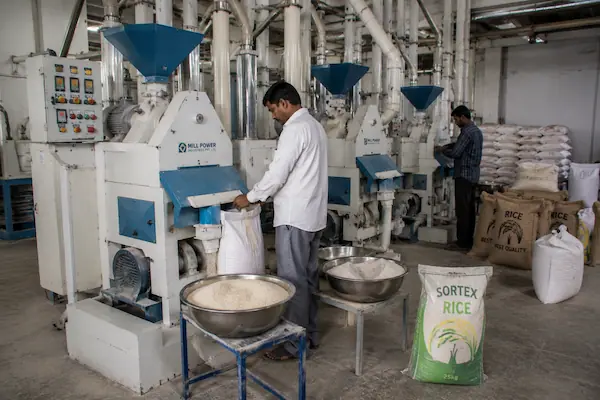
Mini rice mill एक small-scale paddy processing unit है जिसमें धान की बाहरी husk हटाकर rice तैयार किया जाता है। Machine के design के अनुसार mini rice mill में husking, separation, polishing या milling के कई काम एक compact system में हो सकते हैं।
इस business को मुख्य रूप से चार तरीके से चलाया जा सकता है:
- Custom Milling: किसान या ग्राहक धान लाता है और आप milling charge लेते हैं।
- Own Paddy Procurement: आप धान खरीदते हैं, mill करते हैं और rice बेचते हैं।
- Branded Rice: अपना rice brand बनाकर grading और packaging के साथ बेचते हैं।
- B2B Supply: Wholesalers, retailers, restaurants और institutions को supply करते हैं।
इन models की investment और working capital requirement बहुत अलग होती है।
ICAR की procurement specifications में integrated mini rice mill के examples लगभग 80–100 kg/hour और एक दूसरी specification में 100–150 kg/hour capacity के हैं। ये machine specifications हैं, guaranteed commercial profit नहीं। ([icar-ciwa.org.in](https://icar-ciwa.org.in/pdf/tenders/2025/GeM/Aug2025/GeM-Bidding-8228227-2.pdf?utm_source=web_search)) ([icarnagaland.nic.in](https://icarnagaland.nic.in/RiceMill2022.pdf?utm_source=web_search))
2. क्या Mini Rice Mill अच्छा Business है?
अगर आपके area में पर्याप्त धान आता है और finished rice के buyers available हैं, तो यह rural या semi-urban agro-processing business बन सकता है।
लेकिन केवल machine लगा देने से business profitable नहीं होता। असली numbers हैं:
- Daily paddy processing
- Rice recovery
- Broken rice percentage
- Paddy purchase price
- Rice selling price
- Husk और bran की value
- Electricity, labour और maintenance
IRRI के अनुसार paddy quality और milling conditions rice quality और recovery पर काफी असर डालते हैं। ज्यादा breakage finished rice की value कम कर सकता है। ([knowledgebank.irri.org](https://www.knowledgebank.irri.org/step-by-step-production/postharvest/milling?utm_source=web_search))
3. Custom Milling या अपना Rice Business?
Custom Milling
Customer अपना paddy लाता है। आप processing करते हैं और milling charge लेते हैं। इसका सबसे बड़ा फायदा है कि आपको बड़ी paddy inventory खरीदकर रखने की जरूरत नहीं होती।
Own Paddy Procurement
आप खुद paddy खरीदते हैं, rice बनाते हैं और market में बेचते हैं। इससे product और selling price पर ज्यादा control मिलता है, लेकिन working capital और storage risk भी बढ़ता है।
Branded Rice
अपना brand बनाने में packaging, grading, marketing, retailer margin और distribution की जरूरत पड़ती है।
4. Mini Rice Mill कहां लगाएं?
- Paddy-producing villages के पास
- Local procurement centres के आसपास
- Rural markets
- Semi-urban grain markets
- Warehouses के आसपास
Location तय करने से पहले आसपास की paddy supply, existing rice mills, local milling charges और possible buyers का survey करें।
5. कितनी जगह चाहिए?
एक fixed square-foot number हर mini rice mill पर लागू नहीं होता। Machine layout और storage requirement के अनुसार area बदलता है।
जगह में paddy storage, machinery, finished rice, husk, bran, packaging और loading/unloading की व्यवस्था होनी चाहिए।
ICAR के village-level agro-processing centre model में multiple machines के लिए लगभग 200–300 square yards covered space का example दिया गया है। यह एक single mini rice mill की requirement नहीं है। ([icar.gov.in](https://icar.gov.in/en/node/2184?utm_source=web_search))
6. Paddy की Quality क्यों Important है?
अच्छे rice की शुरुआत अच्छे paddy से होती है। Purchase से पहले moisture, variety, foreign matter, grain size और damaged grains check करें।
IRRI लगभग 14% moisture को milling के लिए ideal बताता है और बहुत dry paddy में breakage बढ़ने की बात करता है। Moisture meter का इस्तेमाल करना बेहतर है। ([knowledgebank.irri.org](https://www.knowledgebank.irri.org/step-by-step-production/postharvest/milling?utm_source=web_search))
7. Mini Rice Mill में Paddy से Rice कैसे बनता है?
- Paddy receive और weigh करें।
- Pre-cleaning करें।
- Husking करें।
- Husk अलग करें।
- Unhusked paddy को separate करें।
- Whitening / milling करें।
- जरूरत के अनुसार polishing करें।
- Grading / sifting करें।
- Finished rice weigh करें।
- Pack करें।
- Moisture, pests और contamination से बचाकर store करें।
IRRI modern rice milling को pre-cleaning, husking, husk aspiration, paddy separation, de-stoning, whitening, polishing, sifting, grading और weighing/bagging जैसे stages में explain करता है। Mini mill में इनमें से कुछ processes integrated हो सकती हैं। ([knowledgebank.irri.org](https://www.knowledgebank.irri.org/step-by-step-production/postharvest/milling/milling-systems/commercial-milling?utm_source=web_search))
8. Paddy Cleaning जरूरी क्यों है?
Cleaning सिर्फ सफाई का काम नहीं है। Foreign material machine को damage कर सकता है और finished rice की quality खराब कर सकता है।
Small mill में cleaning system simple हो सकता है, लेकिन उसका purpose वही है — milling में जाने से पहले unwanted material हटाना। ([knowledgebank.irri.org](https://www.knowledgebank.irri.org/step-by-step-production/postharvest/milling?utm_source=web_search))
9. Husking और Paddy Separation
Husking में paddy की outer husk हटती है। इसके बाद mixture में brown rice और कुछ unhusked paddy रहता है। Unhusked paddy को अलग करके जरूरत के अनुसार दोबारा husking में भेजना होता है।
IRRI rubber-roll husking और paddy separation को बेहतर milling performance के लिए recommend करता है। ([knowledgebank.irri.org](https://www.knowledgebank.irri.org/step-by-step-production/postharvest/milling?utm_source=web_search))
10. Whitening, Polishing और Grading
Husking के बाद brown rice से bran layer हटाने के लिए whitening होती है। Product के अनुसार polishing भी की जा सकती है।
Grading बहुत important है क्योंकि head rice और broken rice की market value अलग हो सकती है। IRRI भी milled rice को grade करने और small broken grains अलग करने की सलाह देता है। ([knowledgebank.irri.org](https://www.knowledgebank.irri.org/step-by-step-production/postharvest/milling?utm_source=web_search))
11. कौन-कौन सी Machines चाहिए?
- Mini rice mill
- Paddy cleaner
- Husker
- Paddy separator
- Rice whitener
- Rice polisher
- Rice grader
- Moisture meter
- Digital weighing scale
- Bag sealer
- Batch coding machine
ICAR specifications में mini rice mills के examples 80–100 kg/hour और 100–150 kg/hour capacity के हैं। ([icar-ciwa.org.in](https://icar-ciwa.org.in/pdf/tenders/2025/GeM/Aug2025/GeM-Bidding-8228227-2.pdf?utm_source=web_search))
12. Mini Rice Mill Machine की Cost कितनी है?
एक fixed price बताना reliable नहीं होगा। Machine का price capacity, integration, motor, husking system, polishing, automation और supplier service पर depend करता है।
Machine खरीदते समय compare करें:
- Actual output
- Rice recovery
- Head-rice recovery
- Broken percentage
- Power consumption
- Motor
- Spare parts
- Warranty
- Service
ICAR machinery testing facility mini rice mills को capacity, efficiency, energy consumption, grain losses और output quality पर test करती है। ([icar.gov.in](https://www.icar.gov.in/hi/node/24741?utm_source=web_search))
13. Mini Rice Mill Business में कितना Investment लगेगा?
Investment business model के अनुसार बदलता है।
Micro Custom Milling
Compact mini rice mill, weighing और basic handling equipment के साथ शुरू किया जा सकता है। Customer अपना paddy लाता है।
Small Commercial Setup
Cleaning, grading, storage, packaging और working capital जोड़ने पर investment बढ़ता है।
Integrated Commercial Setup
Separate cleaner, husker, separator, whitener, polisher, grader, conveyors और automatic packing जैसी machines investment काफी बढ़ा सकती हैं।
14. Working Capital क्यों जरूरी है?
Custom milling में paddy customer का होता है, इसलिए working-capital need कम रहती है।
Own procurement में आपको paddy खरीदकर रखना पड़ता है, जिससे cash inventory में फंस सकता है।
Working capital में शामिल करें:
- Paddy stock
- Packaging
- Labour
- Electricity
- Transport
- Maintenance
- Storage
- Customer credit
15. Rice Recovery और Broken Rice क्यों Important है?
सिर्फ rice selling price देखकर profit calculate न करें। असली economics इस बात पर depend करती है कि एक निश्चित quantity paddy से कितना saleable rice मिलता है और कितना broken rice, bran, husk तथा process loss बनता है।
हर batch का record रखें:
- Incoming paddy weight
- Moisture
- Cleaned paddy
- Husk quantity
- Rice output
- Broken rice
- Bran
- Process loss
16. Mini Rice Mill का Profit कैसे Calculate करें?
Custom milling:
Monthly revenue = processed paddy × milling charge per kg
Own procurement:
Gross contribution = rice sales + by-product sales - paddy cost - variable processing costs
इसके बाद rent, salaries, maintenance, depreciation, loan cost और अन्य fixed expenses घटाएं।
17. Husk, Bran और Broken Rice भी बेच सकते हैं?
हाँ। Rice milling से husk, bran और broken rice जैसे by-products निकलते हैं। इनके local market में अलग-अलग buyers हो सकते हैं।
- Husk: Fuel और other applications में उपयोग हो सकता है।
- Bran: Feed और oil-related markets में बिक सकता है।
- Broken Rice: Suitable food, feed या industrial buyers को बेचा जा सकता है।
IRRI rice husk, bran और small broken grains को important rice-milling by-products के रूप में identify करता है। ([knowledgebank.irri.org](https://www.knowledgebank.irri.org/step-by-step-production/postharvest/milling?utm_source=web_search))
18. Rice कहां बेचें?
- Local rice wholesalers
- Grocery stores
- Local markets
- Restaurants और caterers
- Hostels और institutions
- Own retail brand
- Online channels
19. अपना Rice Brand कैसे बनाएं?
Small mill को बड़े national brands से सिर्फ advertising पर compete नहीं करना चाहिए। Local variety, local sourcing, freshness, consistent quality और retailer relationships के जरिए अलग positioning बनाई जा सकती है।
20. Rice Packaging में क्या ध्यान रखें?
Packaged rice की packaging सिर्फ attractive दिखना नहीं है। Applicable FSSAI food-labelling और Legal Metrology declarations को follow करना जरूरी है।
Packaging print करने से पहले current legal requirements verify करें।
21. FSSAI Registration: 2026 Rules
Rice milling और packaged rice food-business framework में आते हैं। Exact FSSAI category activity पर depend करेगी।
1 April 2026 से current turnover framework:
- Registration: Up to ₹1.5 crore annual turnover
- State Licence: Above ₹1.5 crore to ₹50 crore
- Central Licence: Above ₹50 crore
FSSAI ने revised thresholds को 13 March 2026 के order में जारी किया और 1 April 2026 से लागू किया। ([fssai.gov.in](https://www.fssai.gov.in/upload/advisories/2026/03/69b4054bb6cd6Order%20dated%2013thMarch2026_Revised%20Turnover%20threshold.pdf?utm_source=web_search))
22. Rice Mill Licence के लिए Documents
Applicable manufacturing licence के लिए FoSCoS processing-unit layout, machinery details, installed capacity, business documents और manufactured food categories जैसी information मांग सकता है।
23. Udyam MSME Registration
- Micro: Investment up to ₹2.5 crore and turnover up to ₹10 crore
- Small: Investment up to ₹25 crore and turnover up to ₹100 crore
- Medium: Investment up to ₹125 crore and turnover up to ₹500 crore
Current registration के लिए official Udyam portal use करें। ([udyamregistration.gov.in](https://www.udyamregistration.gov.in/?utm_source=web_search))
24. GST
GST applicability turnover, product, supply type, state और applicable exemptions के अनुसार बदल सकती है। पुराने articles के fixed threshold को blindly follow न करें। Current position CBIC या qualified tax professional से verify करें।
25. PMEGP Financing
Eligible new manufacturing enterprises PMEGP explore कर सकते हैं। Current revised guidelines manufacturing projects के लिए ₹50 lakh तक maximum project cost और category तथा rural/urban location के अनुसार 15%–35% margin-money subsidy framework देती हैं, subject to scheme conditions. ([msme.gov.in](https://www.msme.gov.in/sites/default/files/Revisedguidelines07.12.2023.pdf?utm_source=web_search))
Subsidy automatic approval नहीं है। Bank appraisal, promoter contribution और eligibility important हैं।
26. Other Government Support
- PMFME
- State agriculture and food-processing programmes
- ICAR / KVK technical guidance
- ICAR machinery testing facilities
किसी दूसरे state या crop के subsidy announcement को अपनी rice mill पर automatically applicable न मानें।
27. Machine खरीदने से पहले क्या देखें?
- Actual output
- Rice recovery
- Broken percentage
- Power consumption
- Motor specifications
- Warranty
- Spare parts
- Installation support
- Operator training
28. Power Requirement
ICAR-Nagaland specification में 100–150 kg/hour automatic mini rice mill के लिए 3 HP single-phase motor का example है। ICAR-CIWA procurement specification में 80–100 kg/hour integrated mini rice mill के लिए 2–3 HP motor listed है। Actual requirement final machine के अनुसार check करें। ([icarnagaland.nic.in](https://icarnagaland.nic.in/RiceMill2022.pdf?utm_source=web_search)) ([icar-ciwa.org.in](https://icar-ciwa.org.in/pdf/tenders/2025/GeM/Aug2025/GeM-Bidding-8228227-2.pdf?utm_source=web_search))
29. Storage और Moisture Management
Paddy और finished rice को moisture, pests और contamination से बचाकर रखना जरूरी है।
- Bags को suitable pallets पर रखें।
- Floor moisture से stock बचाएं।
- Pest inspection करें।
- Storage clean रखें।
- FIFO follow करें।
- Raw paddy और finished rice अलग रखें।
30. Common Mistakes
- Paddy supply check किए बिना machine खरीदना
- Advertised capacity पर blindly भरोसा करना
- Broken rice को ignore करना
- Moisture को ignore करना
- Different varieties को बिना process understanding के mix करना
- Working capital को underestimate करना
- By-products को ignore करना
- Demand से ज्यादा machine capacity खरीदना
31. Small Budget में कैसे शुरू करें?
- Paddy-producing villages के पास location चुनें।
- Reliable mini rice mill install करें।
- Accurate weighing रखें।
- Transparent milling charge लें।
- Farmers और traders से relationships बनाएं।
- Customer-owned paddy से शुरुआत करें।
- Demand stable होने पर own paddy procurement शुरू करें।
32. खुद Paddy कब खरीदें?
जब आपके पास regular milling demand, reliable rice buyers, storage और sufficient working capital हो, तब own procurement शुरू करना ज्यादा sensible हो सकता है।
33. Local Rice Brand कैसे बनाएं?
- एक या दो rice varieties चुनें।
- Quality standardise करें।
- Simple packaging बनाएं।
- Required food-labelling follow करें।
- Local grocery stores target करें।
- Small trial packs दें।
- Repeat purchase track करें।
- Supply stable होने पर distributors जोड़ें।
34. 90-Day Launch Plan
- Days 1-15: Paddy supply, competitors, local milling charges और rice buyers का survey करें।
- Days 16-30: Multiple machines को capacity, recovery, breakage, power और service पर compare करें।
- Days 31-45: Premises, storage, electricity और loading area तैयार करें।
- Days 46-60: Local paddy पर trial batches चलाएं और recovery record करें।
- Days 61-75: Custom milling शुरू करें और farmer relationships बनाएं।
- Days 76-90: Actual daily revenue, cost, volume और break-even calculate करें।
35. Final Takeaway
Mini rice mill एक practical rural या semi-urban agro-processing business हो सकता है, लेकिन इसकी सफलता machine से ज्यादा paddy supply, milling recovery, daily utilisation और buyers पर depend करती है।
Custom milling में customer अपना paddy लाता है, इसलिए working capital कम हो सकता है। Own-brand rice business में revenue opportunity बढ़ती है, लेकिन inventory, storage, packaging और market risk भी बढ़ता है।
पहले local paddy और buyers को समझें। Actual paddy से machine test करें। हर batch की recovery और broken percentage रिकॉर्ड करें। फिर demand और numbers justify करने पर own procurement, grading, packaging और brand building की ओर बढ़ें।
Mini rice mill में machine production tool है; असली business paddy utilisation, recovery और sales है।
36. Frequently Asked Questions
Mini rice mill क्या होती है?
यह small-scale paddy processing machine या unit है जो paddy की husk हटाकर rice तैयार करती है। Compact models में कई milling functions integrated हो सकते हैं।
Mini rice mill की capacity कितनी होती है?
ICAR procurement specifications में 80–100 kg/hour और 100–150 kg/hour capacity के examples हैं। Actual usable output paddy quality और operating conditions पर depend करता है। ([icar-ciwa.org.in](https://icar-ciwa.org.in/pdf/tenders/2025/GeM/Aug2025/GeM-Bidding-8228227-2.pdf?utm_source=web_search)) ([icarnagaland.nic.in](https://icarnagaland.nic.in/RiceMill2022.pdf?utm_source=web_search))
Mini rice mill machine की cost कितनी है?
एक fixed price reliable नहीं है। Capacity, integration, husking system, polishing, motor और supplier service के अनुसार price बदलती है।
क्या custom rice milling कर सकते हैं?
हाँ। Customer अपना paddy लेकर आ सकता है और आप milling charge लेकर processing कर सकते हैं। इसमें own paddy procurement की तुलना में working-capital requirement कम रहती है।
क्या mini rice mill profitable है?
हो सकती है, लेकिन daily utilisation, recovery, local milling charges और operating costs सबसे important हैं। बड़ी machine अपने आप profit नहीं बनाती।
Rice mill का profit किस पर depend करता है?
Paddy cost, rice recovery, broken rice, selling price, by-product value, electricity, labour, maintenance और daily utilisation पर।
क्या paddy moisture से milling पर असर पड़ता है?
हाँ। IRRI लगभग 14% moisture को milling के लिए ideal बताता है और बहुत dry paddy में breakage बढ़ने की बात करता है। ([knowledgebank.irri.org](https://www.knowledgebank.irri.org/step-by-step-production/postharvest/milling?utm_source=web_search))
क्या FSSAI registration जरूरी है?
Applicable food business के लिए relevant FSSAI registration या licence जरूरी है। 1 April 2026 से current turnover framework में registration ₹1.5 crore तक, State licence ₹1.5 crore से ऊपर और ₹50 crore तक, तथा Central licence ₹50 crore से ऊपर लागू है, subject to the applicable category. ([fssai.gov.in](https://www.fssai.gov.in/upload/advisories/2026/03/69b4054bb6cd6Order%20dated%2013thMarch2026_Revised%20Turnover%20threshold.pdf?utm_source=web_search))
क्या PMEGP से mini rice mill finance कर सकते हैं?
Eligible new manufacturing project PMEGP को explore कर सकता है। Current guidelines manufacturing projects के लिए ₹50 lakh तक maximum project cost और applicable beneficiary category/location के अनुसार 15%–35% margin-money subsidy framework देती हैं। ([msme.gov.in](https://www.msme.gov.in/sites/default/files/Revisedguidelines07.12.2023.pdf?utm_source=web_search))
क्या rice mill का husk और bran बेच सकते हैं?
हाँ। Husk, bran और broken rice अलग-अलग market में value रखते हैं, हालांकि actual price और buyer local market तथा quality पर depend करेंगे।
क्या शुरुआत में खुद paddy खरीदना जरूरी है?
नहीं। Limited capital में customer-owned paddy के साथ custom milling शुरू करना practical हो सकता है। Demand समझने के बाद own procurement शुरू किया जा सकता है।