1. Makhana Processing Business क्या है?
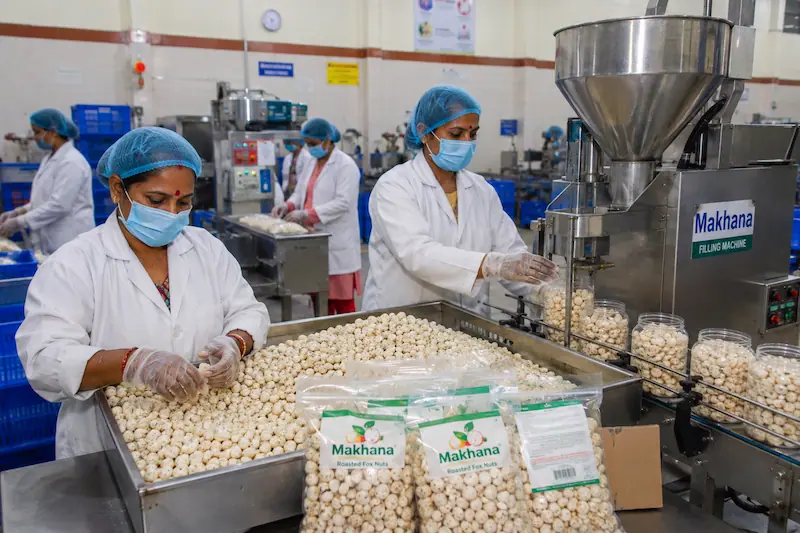
Makhana processing business में raw foxnut seed या ready-popped makhana को clean, grade, roast, flavour और pack करके retail, wholesale, institutional या export market के लिए तैयार किया जाता है।
यह एक ही तरह का business नहीं है। Beginner ready-popped makhana खरीदकर sorting, roasting, flavouring, weighing और packing से शुरुआत कर सकता है। बड़ा processor raw makhana seed खरीदकर cleaning, grading, roasting, popping, polishing, seasoning और automatic packing तक पूरा process कर सकता है।
इन दोनों models में investment, machinery, working capital और technical skill बहुत अलग होते हैं।
आपके current Makhana Processing Business blueprint के अनुसार suitable existing premises के साथ ready-popped makhana वाला micro model लगभग ₹25,000 से ₹75,000 में plan किया जा सकता है। Dedicated small unit लगभग ₹75,000 से ₹3 lakh, semi-commercial setup लगभग ₹3 lakh से ₹8 lakh और larger organised setup इससे काफी ऊपर जा सकता है।
वहीं official NIFTEM-PMFME Detailed Project Report में 21,600 kg/year क्षमता वाले organised makhana processing unit का total project-cost benchmark लगभग ₹27.23 lakh दिया गया है। यह minimum startup cost नहीं है। :contentReference[oaicite:33]{index=33}
2. Makhana Processing पर इतना ध्यान क्यों है?
Makhana अब केवल regional food product नहीं रह गया है। इसका उपयोग packaged snacks और food products के रूप में बढ़ रहा है और domestic तथा international markets में भी इसकी demand दिखाई देती है।
APEDA makhana के लिए market intelligence और export information publish करता है। APEDA data में recent years में Indian makhana area और production में growth दिखाई गई है और Bihar leading producing region बना हुआ है। :contentReference[oaicite:34]{index=34}
Government of India ने भी sector के लिए specific policy support शुरू किया है। National Makhana Board 14 September 2025 को constitute किया गया था और Central Sector Scheme for Development of Makhana के लिए ₹476.03 crore का outlay approve हुआ। :contentReference[oaicite:35]{index=35}
लेकिन इसका मतलब यह नहीं है कि हर makhana business automatically profitable होगा। Raw-material price, grade, breakage, processing recovery, packaging, selling channel और working capital असली result तय करते हैं।
3. पहले अपना Makhana Business Model चुनें
- Micro Ready-Popped Model: Ready-popped makhana खरीदकर sorting, roasting, flavouring और packing करें।
- Small Processing Model: Better roasting, seasoning, grading और packing जोड़ें।
- Raw-Seed Processing Model: Raw seed से cleaning, grading, roasting, popping और packaging तक processing करें।
- Private Label Model: दूसरे brand के नाम से makhana manufacture और pack करें।
- Wholesale / B2B Model: Graded या roasted makhana bulk में बेचें।
नए entrepreneur के लिए ready-popped model काफी practical हो सकता है क्योंकि इसमें popping machinery की जरूरत नहीं होती और कम capital से market test किया जा सकता है। :contentReference[oaicite:36]{index=36}
4. Raw Makhana या Ready-Popped Makhana?
Ready-popped makhana लेने पर आपका focus grading, roasting, flavouring, packaging और sales पर रहता है। इससे शुरुआती machinery और risk कम हो सकता है।
Raw makhana seed में processing chain पर ज्यादा control मिलता है, लेकिन popping के लिए specialised machinery, heating, process control और trained operators की जरूरत पड़ती है। ICAR-CIPHET ने mechanised makhana processing technologies विकसित की हैं क्योंकि traditional popping labour-intensive और time-consuming हो सकता है। :contentReference[oaicite:37]{index=37}
इसलिए केवल raw makhana available होने की वजह से popping machine न खरीदें। पहले volume और sales prove करें।
5. Makhana कहां से खरीदें?
- Farmers
- FPOs
- Local traders
- Wholesale markets
- Established processors
Supplier को सिर्फ price से judge न करें। Grade, size, moisture, breakage, cleanliness, supply consistency और payment terms भी check करें।
6. Makhana Grade कैसे तय होता है?
Size और appearance finished product की market value को affect कर सकते हैं।
ICAR-CIPHET ने popped makhana grader की technology report की है जो approximately 12–15 mm, 15–19 mm और 19 mm से ऊपर के तीन grades अलग कर सकती है और flattened तथा unpopped material भी अलग करती है। Reported capacity लगभग 200 kg/hour, motor 1 hp और operator requirement 2 persons है। Tentative machine cost लगभग ₹1.5 lakh report की गई थी। :contentReference[oaicite:38]{index=38}
7. Makhana Processing का पूरा Process
- Raw material खरीदना
- Cleaning
- Drying और storage
- Size grading
- Pre-heating
- Tempering
- Roasting और popping
- Polishing
- Popped makhana grading
- Roasting
- Seasoning
- Quality checking
- Weighing और packaging
- Batch coding और dispatch
Official NIFTEM-PMFME Makhana DPR भी इसी तरह harvesting and cleaning, drying and storage, size grading, pre-heating, tempering, roasting and popping, polishing, grading, seasoning और packaging का organised process बताती है। :contentReference[oaicite:39]{index=39}
8. Small Makhana Business के लिए कौन सी Machines चाहिए?
- Digital weighing scale
- Food-grade storage containers
- Sorting tables
- Small-batch roaster
- Seasoning mixer
- Impulse / semi-automatic sealer
- Batch coding machine
- Popped makhana grader
- Mechanised roaster and popper
- Automatic packing machine
आपके business blueprint में small-batch roaster लगभग ₹25,000, seasoning mixer लगभग ₹30,000, grader लगभग ₹1.50 lakh, mechanised roaster and popper लगभग ₹3 lakh और commercial automatic packing machine लगभग ₹4.90 lakh के planning benchmarks के रूप में दिए गए हैं। Actual quotation supplier और specification पर depend करेगी। :contentReference[oaicite:40]{index=40}
9. कितनी जगह चाहिए?
Ready-popped micro model काफी छोटी जगह से शुरू हो सकता है। आपके current blueprint में compact setup के लिए minimum benchmark लगभग 80 sq. ft. दिया गया है। Commercial arrangement में approximately 5–10 kW, 3-phase planning assumption दिया गया है। Final load मशीन specifications के अनुसार confirm करें। :contentReference[oaicite:41]{index=41}
Raw-seed processing unit में storage, roasting, popping, grading और packing की वजह से ज्यादा space चाहिए।
10. कितना Investment लगेगा?
- Micro Ready-Popped: लगभग ₹25,000–₹75,000
- Dedicated Small Unit: लगभग ₹75,000–₹3 lakh
- Semi-Commercial Unit: लगभग ₹3 lakh–₹8 lakh
- Organised Processing: कई लाख से ऊपर, machinery और working capital के अनुसार
- Official NIFTEM Benchmark: 21,600 kg/year unit के लिए लगभग ₹27.23 lakh total project cost
NIFTEM benchmark में approximately ₹16.60 lakh machinery, ₹3.50 lakh miscellaneous fixed assets और ₹7.13 lakh working capital शामिल है। :contentReference[oaicite:42]{index=42}
11. Working Capital इतना Important क्यों है?
Makhana high-value inventory हो सकता है। इसलिए machine खरीदने के बाद inventory और operating expenses के लिए cash बचाना जरूरी है।
Micro business में लगभग ₹10,000–₹30,000 stock rotation possible हो सकती है। Small business में लगभग ₹50,000–₹2 lakh और larger processing unit में कई lakh rupees तक working capital की जरूरत हो सकती है। Official NIFTEM model में approximately ₹7.13 lakh working capital रखा गया है। :contentReference[oaicite:43]{index=43}
12. Monthly खर्च कौन-कौन से होंगे?
- Rent
- Electricity
- Labour
- Raw material
- Packaging
- Delivery
- Maintenance
- Marketing
- Accounting और compliance
Current business blueprint में commercial benchmark के रूप में लगभग ₹59,000/month typical overhead दिया गया है। Actual expense scale के अनुसार बहुत कम या बहुत ज्यादा हो सकती है। :contentReference[oaicite:44]{index=44}
13. Makhana Business में Profit कितना होगा?
एक fixed profit percentage बताना सही नहीं होगा। आपके own audited model में 20 kg finished makhana/day, 26 working days और stated cost assumptions पर लगभग ₹2.34 lakh monthly revenue के सामने लगभग ₹7,520 monthly negative operating result आता है। Model का break-even target लगभग 23 kg/day है। :contentReference[oaicite:45]{index=45}
Official NIFTEM-PMFME model भी year one में लगभग 2.49% profit before tax और year five में लगभग 6.07% after-tax profit दिखाता है, based on its own assumptions. :contentReference[oaicite:46]{index=46}
इसलिए makhana को guaranteed high-margin business बताना सही नहीं होगा। Procurement और selling channel बहुत important हैं।
14. अपना Real Profit कैसे Calculate करें?
Contribution per kg = selling price - raw material - roasting - seasoning - packaging - variable labour - logistics - other variable costs
फिर:
- Monthly contribution = contribution per kg × monthly sales
- Operating profit = monthly contribution - fixed expenses
- Break-even quantity = fixed expenses ÷ contribution per kg
Plain, flavoured, premium-grade और private-label products की अलग-अलग costing रखें।
15. Flavoured Makhana कैसे बेचें?
Flavoured makhana आपको commodity product से अलग positioning दे सकता है। आप salted, masala, chilli या herb-spice आधारित products test कर सकते हैं।
लेकिन unsupported health claims करने के बजाय flavour, crispness, grade, packaging और consistent quality पर focus करें।
16. Packaging Strategy
- Small trial pouches
- Regular household packs
- Large family packs
- Bulk B2B packs
- Private-label packs
Packaged food के लिए applicable FSSAI और Legal Metrology declarations को packaging design final करने से पहले verify करें।
17. FSSAI Compliance
Makhana food product है, इसलिए applicable food-business registration या licence requirements को check करना जरूरी है। Official FoSCoS system eligibility और online application facilities देता है। :contentReference[oaicite:47]{index=47}
Trading, roasting, processing, packing और exporting की requirements एक जैसी नहीं हो सकतीं। अपने exact activity और scale के हिसाब से category verify करें।
18. दूसरे कौन से Registrations देखें?
- Udyam Registration
- GST applicability
- FSSAI Registration / Licence
- Local trade / establishment permissions
- Fire and electrical requirements
- Trademark
- Export-related compliance where applicable
19. Makhana के लिए Government Support
National Makhana Board 14 September 2025 को constitute किया गया। इसका objective makhana production, processing, value addition, marketing और exports को promote करना है। Central Sector Scheme for Development of Makhana का approved outlay ₹476.03 crore है। :contentReference[oaicite:48]{index=48}
Bihar Horticulture Department का current 2026-27 National Makhana Board application system farmers, FPOs, exporters और makhana processors के लिए available है। इसके focus areas में post-harvest management, branding, market development, exports और certification शामिल हैं। :contentReference[oaicite:49]{index=49}
PMFME के तहत makhana कई Bihar districts में ODOP product है और documented support में credit-linked capital subsidy तथा infrastructure support जैसे components शामिल हैं। Exact eligibility current guidelines के अनुसार verify करें। :contentReference[oaicite:50]{index=50}
20. Bihar में Makhana Processing का क्या Advantage है?
Government of India के latest cited 2025-26 advance-estimate data के अनुसार Bihar देश का leading makhana producer है, जिसका reported production लगभग 60,000 MT था। Major producing districts में Katihar, Purnia, Madhubani, Darbhanga, Saharsa, Supaul, Araria, Madhepura और Sitamarhi शामिल हैं। :contentReference[oaicite:51]{index=51}
Producing clusters के आसपास processing business लगाने से procurement network और local supplier knowledge develop करना आसान हो सकता है।
21. Makhana कहां बेचें?
- Local kirana stores
- Premium grocery stores
- Snack distributors
- Restaurants और food-service buyers
- Offices और institutions
- Private-label brands
- E-commerce
- Export buyers
APEDA की current platform activity और market intelligence से यह भी स्पष्ट है कि Makhana का domestic और international trade ecosystem मौजूद है। :contentReference[oaicite:52]{index=52}
22. Private Label एक अच्छा Entry Model क्यों हो सकता है?
अपना national brand बनाने में packaging, marketing और distribution पर काफी खर्च होता है। Private-label manufacturing में दूसरा business brand और customer relationship लेकर आता है, जबकि आप production पर focus कर सकते हैं।
लेकिन private-label buyers price, quality और payment terms पर ज्यादा negotiation कर सकते हैं। हर order की contribution margin calculate करें।
23. Quality Control
- Grade and size
- Appearance
- Foreign matter
- Moisture
- Crispness
- Roasting consistency
- Seasoning uniformity
- Breakage
- Packaging seal
- Batch consistency
Supplier-wise और batch-wise records रखें ताकि problem का source identify किया जा सके।
24. Storage और Inventory Management
Moisture control, FIFO, clean storage और inventory discipline बहुत important हैं। Makhana high-value inventory होने की वजह से unsold stock और गलत purchase timing cash flow को नुकसान पहुंचा सकते हैं। :contentReference[oaicite:53]{index=53}
25. सबसे बड़े Risks
- Raw-material price volatility
- Poor seed quality
- Low popping recovery
- Breakage
- Moisture exposure
- Inconsistent roasting
- Unsold inventory
- Long customer credit
- High packaging cost
- Demand prove होने से पहले बड़ी machinery खरीदना
26. ₹25,000–₹75,000 में कैसे शुरू करें?
- Ready-popped makhana खरीदें।
- Sorting करें।
- Small-batch roasting करें।
- Simple flavouring करें।
- Weighing करें।
- Small pouches seal करें।
- Local retailers, WhatsApp और direct customers को बेचें।
यह micro value-addition model है, complete raw-seed processing factory नहीं। :contentReference[oaicite:54]{index=54}
27. धीरे-धीरे Scale कैसे करें?
- Ready-popped + packing
- Roasting + seasoning
- Better grading + packing
- Distributor network
- Institutional sales
- Raw-seed processing
- Automation
- Private label and export
28. 90-Day Launch Plan
- Day 1-15: Local market और competitor products का survey करें।
- Day 16-30: तीन या अधिक suppliers से quality और price compare करें।
- Day 31-45: Plain और flavoured products के trials करें।
- Day 46-60: Packaging और brand finalise करें।
- Day 61-75: Retail testing और customer feedback लें।
- Day 76-90: Controlled commercial launch करें और हर batch की costing track करें।
29. किसके लिए यह Business Suitable है?
यह business home-based food entrepreneurs, small snack brands, traders, rural processors, private-label manufacturers, regional distributors और established food-processing companies के लिए suitable हो सकता है।
जो व्यक्ति reliable makhana sourcing नहीं कर सकता, food quality और inventory manage नहीं करना चाहता या बिना sales network के high margin की उम्मीद करता है, उसके लिए यह business ideal नहीं है।
30. Final Takeaway
Makhana processing की सबसे बड़ी strength यह है कि इसे अलग-अलग investment levels पर शुरू किया जा सकता है। Ready-popped makhana से छोटा packing business शुरू किया जा सकता है और demand बढ़ने पर roasting, seasoning, grading, popping और automation जोड़ा जा सकता है।
लेकिन ₹50,000 का micro model और ₹27 lakh का organised processing plant एक ही business economics नहीं रखते।
सबसे अच्छा तरीका है कि पहले छोटा model लेकर actual demand, procurement और selling price समझें। फिर वही machinery add करें जो additional sales और contribution create करे।
Makhana business में बड़ी machine से ज्यादा important है reliable procurement, repeat sales और working-capital discipline.
31. Frequently Asked Questions
क्या ₹25,000 से ₹50,000 में Makhana business शुरू कर सकते हैं?
हाँ, लेकिन practical model ready-popped makhana, small-batch roasting या seasoning, weighing और packing होगा। Full raw-seed processing factory नहीं। :contentReference[oaicite:55]{index=55}
Small Makhana processing business में कितना पैसा लगेगा?
Micro ready-popped model लगभग ₹25,000–₹75,000 से plan किया जा सकता है। Dedicated small setup ₹75,000–₹3 lakh और semi-commercial setup कई lakh तक जा सकता है। :contentReference[oaicite:56]{index=56}
Commercial Makhana processing unit की cost कितनी है?
Official NIFTEM-PMFME benchmark के अनुसार 21,600 kg/year unit का total project cost approximately ₹27.23 lakh है। :contentReference[oaicite:57]{index=57}
क्या शुरुआत में popping machine जरूरी है?
नहीं। Ready-popped makhana खरीदकर roasting, seasoning, grading, packing और sales से शुरुआत की जा सकती है। Popping machine बाद में add की जा सकती है जब raw-seed volume justify करे।
क्या Makhana processing profitable है?
Profit possible है, लेकिन fixed margin नहीं है। Current UnicornVeda model में 20 kg/day benchmark पर operating loss दिखता है, जबकि official NIFTEM model भी relatively modest margins दिखाता है। Procurement cost और selling channel सबसे important factors में हैं। :contentReference[oaicite:58]{index=58}
क्या FSSAI जरूरी है?
Applicable food-business activity के लिए FSSAI registration या licence की requirement check करनी होगी। Official FoSCoS portal से current category verify करें। :contentReference[oaicite:59]{index=59}
क्या Makhana processing के लिए Government support है?
हाँ। National Makhana Board 2025 में constitute किया गया और Central Sector Scheme for Development of Makhana का approved outlay ₹476.03 crore है। PMFME के तहत भी Makhana कई Bihar districts में ODOP product है। Exact eligibility current rules पर depend करेगी। :contentReference[oaicite:60]{index=60}
क्या Bihar के बाहर Makhana बेच सकते हैं?
हाँ। Local retail, distributors, online channels, institutional customers और export markets के जरिए Makhana बेचा जा सकता है, subject to applicable tax, food, packaging और export requirements.
क्या Makhana export कर सकते हैं?
हाँ। APEDA Makhana के लिए market intelligence और export-related trade information maintain करता है। Export के लिए destination-country और Indian regulatory requirements को पूरा करना होगा। :contentReference[oaicite:61]{index=61}