1. Flower Waste Incense Stick Business क्या है?
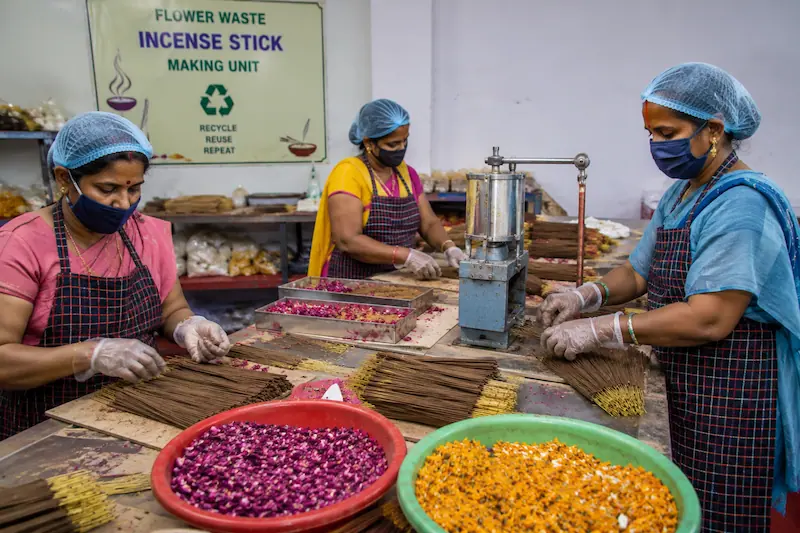
Flower waste incense stick business एक small manufacturing और waste-to-value business है जिसमें मंदिरों, धार्मिक स्थलों, फूल मंडियों और दूसरे sources से मिले suitable फूलों के कचरे को collect, sort, dry और process करके अगरबत्ती और दूसरे incense products तैयार किए जाते हैं।
इस idea का basic concept आसान है: जिन फूलों को उपयोग के बाद waste में फेंक दिया जाता है, उनमें से suitable material को एक usable finished product में बदला जाए। CSIR-CIMAP, Lucknow की official technology listing में offered flowers से incense sticks और fragrant cones बनाने की technology दर्ज है। Government of India के Principal Scientific Adviser office ने भी flower-waste recycling technology को livelihood-oriented value addition के रूप में document किया है।
लेकिन इसे ऐसा business नहीं समझना चाहिए जिसमें raw material हमेशा free होगा और profit अपने आप बहुत ज्यादा होगा। असली खर्च collection, sorting, transport, drying, grinding, formulation, fragrance, labour, packaging, selling और working capital में आता है।
सही तरीका यह है कि पहले तीन चीजें prove करें: regular flower supply, acceptable product quality और repeat sales। इन तीनों के stable होने के बाद ही machinery capacity बढ़ाएं।
2. यह बिजनेस क्यों interesting हो सकता है?
अगरबत्ती का product पहले से बाजार में इस्तेमाल होता है। इसे घर, पूजा, मंदिर और कई धार्मिक तथा सांस्कृतिक मौकों पर खरीदा जाता है। इसलिए आपको बिल्कुल नई category बनाने की जरूरत नहीं पड़ती।
इसके साथ flower-waste recycling की story जुड़ सकती है। लेकिन sustainability story product quality की जगह नहीं ले सकती। Customer fragrance, burning quality, appearance और price भी देखेगा।
- Existing Product: अगरबत्ती पहले से जाना-पहचाना product है।
- Waste-to-Value Model: Suitable flower waste manufacturing input बन सकता है।
- Local Raw Material: मंदिर और फूल मंडी nearby collection source बन सकते हैं।
- Small-Scale Entry: छोटे setup से शुरुआत करके आगे बढ़ाया जा सकता है।
- Branding Opportunity: सही और प्रमाणित claims के साथ recycled-flower या temple-flower incense positioning बनाई जा सकती है।
- Institutional Sales: बाद में customised और private-label orders भी explore किए जा सकते हैं।
3. सबसे पहले तय करें कि आपका Customer कौन है
Machine खरीदने से पहले market तय करें। आप किसको बेचेंगे, उसी हिसाब से product size, fragrance, packing और price तय होंगे।
- Puja Stores: अगरबत्ती और पूजा सामग्री बेचने वाली दुकानें।
- Temple Shops: जहां locally collected temple flowers की story meaningful हो सकती है।
- General Retailers: Grocery और local convenience stores।
- Gift Stores: Premium packaging वाले products के लिए।
- Online Customers: Website, marketplace, social media और WhatsApp Business के जरिए।
- Institutional Buyers: Religious organisations, hotels, wellness businesses और event-related buyers।
- Private-Label Customers: दूसरे businesses के brand के नाम से manufacturing।
नई unit के लिए एक साथ बहुत सारे products launch करने से अच्छा है कि शुरुआत में एक core product, एक-दो fragrance और कुछ pack sizes पर focus किया जाए।
4. Flower Waste Collection Network कैसे बनाएं?
इस business में raw-material supply बहुत important है। Machine जल्दी खरीदी जा सकती है, लेकिन reliable collection network बनाने में समय लगता है।
- मंदिर और धार्मिक स्थल: Fixed collection timing रखें और जरूरत के अनुसार separate bins लगाएं।
- फूल मंडी: Unsold और discarded flowers को mixed waste बनने से पहले collect करें।
- Event और Wedding Decorators: Decoration के बाद बचा flower waste collect करें।
- धार्मिक कार्यक्रम: Festivals और बड़े कार्यक्रमों से short-term collection करें।
- Institutional Sources: बड़ी religious या cultural organisations के साथ arrangement देखें।
Mixed waste लेने के बजाय segregated flower waste लेना बेहतर है। Plastic, polythene, metal wire, धागा, food waste और glass जैसी contamination sorting cost बढ़ा सकती है।
5. कौन से Flowers Production में जाएं?
हर collected flower सीधे production में डालना सही नहीं है। आपके process और formulation के अनुसार usable material तय होगा।
- Plastic wrappers और polythene निकालें।
- Metal wire और decorative material अलग करें।
- Glass, पत्थर और hard contamination हटाएं।
- बहुत ज्यादा contaminated material अलग करें।
- Incoming weight और sorting के बाद usable weight दोनों record करें।
Business की costing gross flower weight पर नहीं बल्कि usable processed material पर करें।
6. Flower Waste से Incense Stick कैसे बनती है?
Exact formulation technology पर depend करेगी, लेकिन सामान्य process इस तरह समझा जा सकता है:
- Collection: Flowers collect करें।
- Sorting: Plastic, wire, thread और unwanted material हटाएं।
- Pre-Processing: Drying के लिए material तैयार करें।
- Drying: Moisture कम करें। छोटे स्तर पर suitable मौसम में sun drying possible हो सकती है; consistent production के लिए controlled drying ज्यादा useful हो सकती है।
- Grinding: सूखे floral material को pulverize करें।
- Mixing: Flower material को selected formulation और binder के साथ mix करें।
- Forming: तैयार mixture से अगरबत्ती या selected incense format बनाएं।
- Secondary Drying: Formed product को required condition तक dry करें।
- Fragrance: जरूरत के अनुसार fragrance apply करें।
- Quality Check: Size, moisture, fragrance, burning और batch quality check करें।
- Packing: Finished product को suitable retail या bulk packing में pack करें।
CSIR-CIMAP की official listing flower-based incense sticks और fragrant cones की technology को document करती है।
7. कौन-कौन सी Machines चाहिए?
- Collection Bins: Segregated flower waste रखने के लिए।
- Sorting Tables: Manual sorting के लिए।
- Drying System: छोटे स्तर पर sun-drying या जरूरत के अनुसार controlled dryer।
- Flower Waste Pulverizer: सूखे flowers को grind करने के लिए।
- Powder / Raw Material Mixer: Material को uniformly mix करने के लिए।
- Agarbatti Machine: Manual, entry-level, semi-automatic या automatic।
- Drying Equipment: मौसम पर dependence कम करने के लिए।
- Fragrance Setup: Fragrance application के लिए।
- Digital Weighing Scale: Standard packing और batch control के लिए।
- Heat Sealer: Pouches और packs बंद करने के लिए।
Important: Ordinary agarbatti machine की supplier capacity देखकर यह assume न करें कि flower-waste formulation पर भी बिल्कुल वही output मिलेगा। अपने actual material से machine test करें।
8. कितनी जगह चाहिए?
यह business छोटे space से शुरू हो सकता है, लेकिन layout सही होना चाहिए।
- Micro Setup: लगभग 150 से 300 sq. ft. में basic manual operation possible हो सकता है।
- Small Commercial Unit: लगभग 300 से 800 sq. ft. ज्यादा practical हो सकता है।
- Growing Unit: Production और inventory बढ़ने पर ज्यादा space चाहिए।
Incoming flower waste, processed material और finished packed goods को अलग-अलग व्यवस्थित रखना चाहिए। Moisture control खास तौर पर important है।
9. Flower Waste के अलावा कौन सा Raw Material लगेगा?
- Base Ingredients: Selected incense formulation के अनुसार।
- Binder: Proper forming और binding के लिए।
- Bamboo Sticks: Conventional stick-format agarbatti में जहां applicable हो।
- Fragrance: Desired fragrance profile के लिए।
- Packaging Material: Pouches, boxes, labels और cartons।
ऐसा formula सिर्फ इसलिए final न करें कि उससे stick बन रही है। Product का burn, fragrance, appearance और storage performance भी अच्छा होना चाहिए।
10. Business शुरू करने में कितना Investment लगेगा?
एक fixed investment figure बताना सही नहीं होगा क्योंकि micro setup से लेकर commercial setup तक बहुत अलग-अलग models हो सकते हैं। Project budget को इन हिस्सों में बांटकर बनाएं:
- Flower collection और sorting
- Drying setup
- Pulverizer
- Mixing equipment
- Agarbatti forming machine
- Fragrance setup
- Weighing और packing equipment
- Electrical और workspace preparation
- Initial raw material और packaging stock
- Working capital
नए entrepreneur के लिए तीन budgets बनाना ज्यादा useful है: Micro, Small Commercial और Expansion। इससे गलत single-number investment promise करने से बचा जा सकता है।
11. हर महीने कौन-कौन से खर्च होंगे?
- Rent
- Flower collection और transport
- Sorting labour
- Production labour
- Electricity
- Drying
- Binder और other ingredients
- Fragrance
- Packaging
- Machine maintenance
- Delivery
- Marketing और samples
- Administrative expenses
सबसे useful metric है cost per finished pack। केवल flower waste का cost देखने से वास्तविक profitability समझ में नहीं आएगी।
12. एक Pack की Cost कैसे निकालें?
एक practical formula हो सकता है:
Per-pack cost = raw material + processing + fragrance + labour + packaging + wastage + transport allocation + fixed-cost allocation
मान लीजिए 100 kg collected flowers में से sorting और drying के बाद केवल 25 kg usable processed material मिलता है। तब costing में बाकी material का loss भी शामिल होगा। इसलिए gross collection weight और usable production weight दोनों अलग-अलग record करें।
13. कितना Profit हो सकता है?
इस business के लिए कोई एक fixed profit percentage सही नहीं है। Profit production volume, usable recovery, fragrance cost, labour efficiency, selling price, packaging और distribution margin पर depend करेगा।
छोटी unit में product margin ठीक दिख सकता है लेकिन monthly profit कम रह सकता है क्योंकि fixed expenses कम production पर फैलते हैं। दूसरी तरफ बड़ी unit में unit economics बेहतर हो सकती है लेकिन working-capital और operational risk भी बढ़ता है।
Investment से पहले ये numbers निकालें:
- Usable processed material का cost per kg
- एक pack की पूरी cost
- Variable expenses के बाद contribution
- Monthly fixed expenses
- Monthly break-even packs
14. Marketing Strategy
Eco-friendly story first customer ला सकती है, लेकिन repeat sale product quality से आएगी। Marketing में purpose और performance दोनों दिखाएं।
- Flower Story: बताएं कि flowers कहां से collect किए गए और कैसे process किए गए।
- Samples: Puja stores और temple shops को trial packs दें।
- Local Retail: जहां आपका collection network strong है वहीं से distribution शुरू करें।
- WhatsApp Business: Catalogue और price list retailers को भेजें।
- Online Sales: Website और marketplaces का उपयोग करें जब fulfilment ready हो।
- Private Label: दूसरे brands के लिए manufacturing offer करें।
15. Packaging और Branding
Packaging कुछ seconds में customer को product समझा देनी चाहिए।
- Product name साफ लिखें।
- Flower-waste claim accurate रखें।
- Fragrance clearly mention करें।
- Net quantity दें।
- Applicable manufacturer details दें।
- Moisture-resistant packaging रखें।
- Small retail shelf के हिसाब से simple design रखें।
Zero waste, chemical-free, toxin-free या completely pollution-free जैसी claims तभी करें जब उन्हें substantiate किया जा सके।
16. Government Schemes और MSME Support
- Udyam Registration: Government का official MSME registration portal free और paperless registration देता है। Current official criteria में micro enterprise के लिए investment up to ₹2.5 crore और turnover up to ₹10 crore दिया गया है, subject to applicable rules.
- PMEGP: Revised PMEGP guidelines में manufacturing sector के लिए margin-money subsidy के लिए ₹50 lakh तक का eligible project cost ceiling है। Subsidy percentage applicant category और rural/urban location के अनुसार बदलता है। बाकी amount bank financing और scheme conditions के अनुसार होता है।
- Mudra और Other MSME Credit: Eligible businesses current institutional lending options को banks और official channels के माध्यम से देख सकते हैं।
- NSWS: National Single Window System से अपने business और state के हिसाब से approvals identify किए जा सकते हैं।
Subsidy को guaranteed money न समझें। Eligibility, documents, project structure, applicant category और bank appraisal सभी important हैं।
17. Registration, Licence और Compliance
Exact requirements state, premises, workers, production process और turnover के अनुसार बदल सकती हैं। सामान्य तौर पर ये areas check करें:
- Business Structure: Proprietorship, partnership, LLP या company.
- Udyam Registration: Eligible होने पर MSME registration.
- GST: Applicable GST rules के अनुसार registration requirement check करें।
- Local Trade Requirements: Municipality या panchayat के applicable rules check करें।
- Factory / Labour Requirements: Employees और machinery के अनुसार applicable rules देखें।
- Environmental / Pollution Requirements: अपनी exact process और location के लिए applicable approvals check करें।
- Trademark: अपना brand बनाने पर trademark protection consider करें।
- Product Standards: Exact incense product के लिए current BIS standards और government notifications check करें।
18. Brand Name और Trademark Protection
अगर long-term brand बनाना है तो brand name final करने से पहले existing trademarks search करें। Thousands of printed packets तैयार करने से पहले brand conflict check करना ज्यादा आसान है।
IP India की official website पर trademark search और filing process उपलब्ध है।
- Brand name select करें।
- Existing trademark search करें।
- Correct goods class identify करें।
- Suitable होने पर application file करें।
- Same branding packaging और sales channels में maintain करें।
19. Quality Control
Customer eco-friendly story की वजह से एक बार product try कर सकता है। लेकिन दूसरी खरीद product performance पर depend करेगी।
- Uniform stick shape
- Correct weight
- Proper drying
- Fragrance consistency
- Easy lighting
- Burning behaviour
- Ash characteristics
- Proper sealing
- Storage moisture
- Batch consistency
हर batch में incoming flower weight, usable processed weight, production quantity, rejection और final packed quantity record करें। इससे costing और production control दोनों improve होंगे।
20. इस Business में कौन सी गलतियां न करें?
- Customers से पहले Machine खरीदना: Machine demand create नहीं करती।
- एक Supplier पर Depend करना: Flower supply बदल सकती है।
- Sorting Loss ignore करना: Collection weight finished raw material नहीं होता।
- Drying को हल्के में लेना: Moisture storage और processing problems पैदा कर सकता है।
- सिर्फ Price पर Competition: बड़े brands से pure price competition कठिन हो सकता है।
- Green Claims बढ़ा-चढ़ाकर करना: Claims accurate और supportable रखें।
- बहुत ज्यादा Credit देना: Sales बढ़कर भी cash flow खराब हो सकता है।
- जल्दी Scale करना: Supply, quality और repeat orders prove होने के बाद ही capacity बढ़ाएं।
21. 90-Day Launch Plan
- Day 1-15: Temples, flower markets, puja stores और buyers का survey करें।
- Day 16-30: Small flower collection trials करें और sorting तथा drying loss measure करें।
- Day 31-45: Trial incense batches बनाएं और burn, fragrance और appearance check करें।
- Day 46-60: Selected retailers और potential buyers को samples दें।
- Day 61-75: Product, packaging, basic equipment और working-capital plan finalise करें।
- Day 76-90: Controlled local launch करें और repeat orders तथा cash collection track करें।
22. Final Takeaway
Flower waste incense stick business एक practical small manufacturing opportunity हो सकता है क्योंकि इसमें established consumer product के साथ waste-to-value model जुड़ा हुआ है।
लेकिन इसे guaranteed high-profit business के रूप में नहीं देखना चाहिए। Strong business के लिए reliable flower collection, proper drying and processing, consistent incense quality, accurate costing और repeat sales जरूरी हैं।
छोटे स्तर से शुरू करें, collection network बनाएं, real customers पर product test करें, हर batch की costing रखें और repeat orders आने के बाद ही machinery capacity बढ़ाएं।
23. Frequently Asked Questions
क्या flower waste से incense sticks बनाना possible है?
हाँ। CSIR-CIMAP की official technology listing offered flowers से incense sticks और fragrant cones बनाने की technology को document करती है।
क्या यह बिजनेस छोटे space से शुरू हो सकता है?
हाँ। Limited production और manual processes के साथ micro setup से शुरुआत की जा सकती है, बशर्ते workspace organised और dry हो।
क्या flower waste incense sticks के लिए BIS licence जरूरी है?
Automatically यह assume नहीं करना चाहिए। BIS के अनुसार certification सामान्यतः voluntary है, जब तक किसी product के लिए government द्वारा applicable Quality Control Order या अन्य mandatory requirement जारी न की गई हो। Exact product और current requirement BIS database से verify करें।
क्या PMEGP subsidy मिल सकती है?
Eligible applicant current PMEGP guidelines के अनुसार इस type के manufacturing project को explore कर सकता है। Revised guidelines manufacturing projects के लिए margin-money subsidy purposes में ₹50 lakh तक eligible project cost बताती हैं। Actual subsidy applicant category और rural या urban location के अनुसार बदलती है।
इस बिजनेस की सबसे बड़ी चुनौती क्या है?
Reliable flower collection, proper drying, consistent product quality और repeat customers बनाना सबसे important practical challenges में से हैं।